On this page
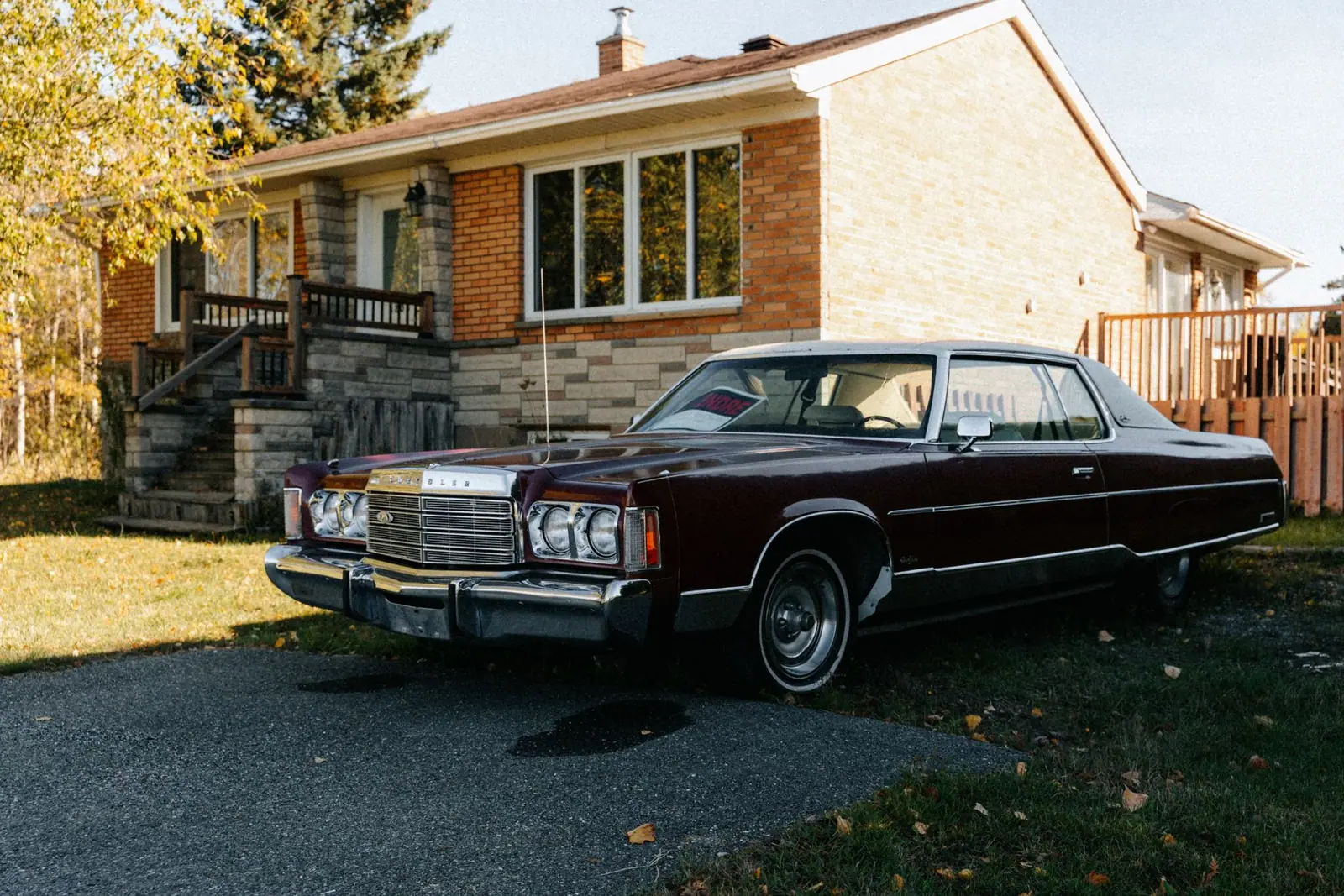
Collision insurance can still be valuable on an older car when losing that car would create an unaffordable replacement problem. Its possible payment, however, is tied to the vehicle’s cash value and deductible under an ordinary policy. It does not preserve the amount originally spent buying or repairing the car.
The decision therefore needs a current value estimate, the collision premium shown separately from the total policy bill, the deductible and any lender requirement. “Drop it after ten years” leaves out all four. The examples below show how the financial protection shrinks as value falls or the deductible rises.
Key figures
- $463.71 US average collision premium in 2023
- $2,500 Example: car value after the deductible
- $450 Example: yearly collision insurance premium
Cash value sets the scale of the protection
Collision generally covers vehicle damage from a crash with another vehicle or object, subject to policy terms. For a total loss under a standard cash-value policy, the vehicle’s value less the deductible provides a starting estimate of the net protection. Taxes, fees, salvage choices and state settlement rules can alter the final amount.
| Assumed vehicle cash value | Assumed deductible | Illustrative value minus deductible |
|---|---|---|
| $1,500 | $500 | $1,000 |
| $3,000 | $500 | $2,500 |
| $3,000 | $1,000 | $2,000 |
| $6,000 | $500 | $5,500 |
Source note: collision valuation and deductible mechanics from Progressive and the California Department of Insurance. Vehicle values and deductibles in the table are examples, not appraisals or guaranteed settlements.
A $3,000 vehicle with a $500 deductible does not provide $3,000 of unrestricted replacement money under this simplified calculation. Raising the deductible to $1,000 reduces the illustrated amount another $500. A deductible close to the car’s value leaves a narrow band of insured loss.
Use comparable vehicles with the same model, year, mileage, condition and location when estimating value. A car’s usefulness to its owner can exceed its market price, but that personal usefulness does not automatically increase an insurer’s cash-value settlement. Keep maintenance records without assuming every recent repair is reimbursed dollar for dollar.
The collision premium is only part of the policy bill
Obtain the collision charge from the declarations or an insurer’s quote. A $1,400 total policy premium might include liability, comprehensive, uninsured-driver protection and other items. Dividing that entire bill by the car’s value exaggerates the price of collision alone.
NAIC’s 2022/2023 database reports a 2023 countrywide collision average of $463.71, compared with $400.59 in 2022. The 2023 state averages include Iowa at $312.87, Virginia at $407.01 and California at $607.06. These are historical aggregates across deductible choices and vehicles, not October 2026 quotes for older cars.
- Iowa$312.87
- Virginia$407.01
- California$607.06
NAIC insurance database figures cited in this article. Historical state averages, not current quotes for an older vehicle.
For an explicitly assumed annual collision quote of $450 on the $3,000 car with a $500 deductible, the premium is 18% of the $2,500 value-minus-deductible amount. Five years at an unchanged premium would cost $2,250, but the car’s value, premium and risk would not necessarily remain unchanged over that period.
That ratio makes the scale visible; it does not predict a loss or establish a universal cutoff for dropping coverage. Insurance buys protection against uncertain events. Someone able to replace the vehicle from savings faces a different consequence from someone who depends on it and cannot fund another car.
Smaller damage can produce a smaller or zero payment
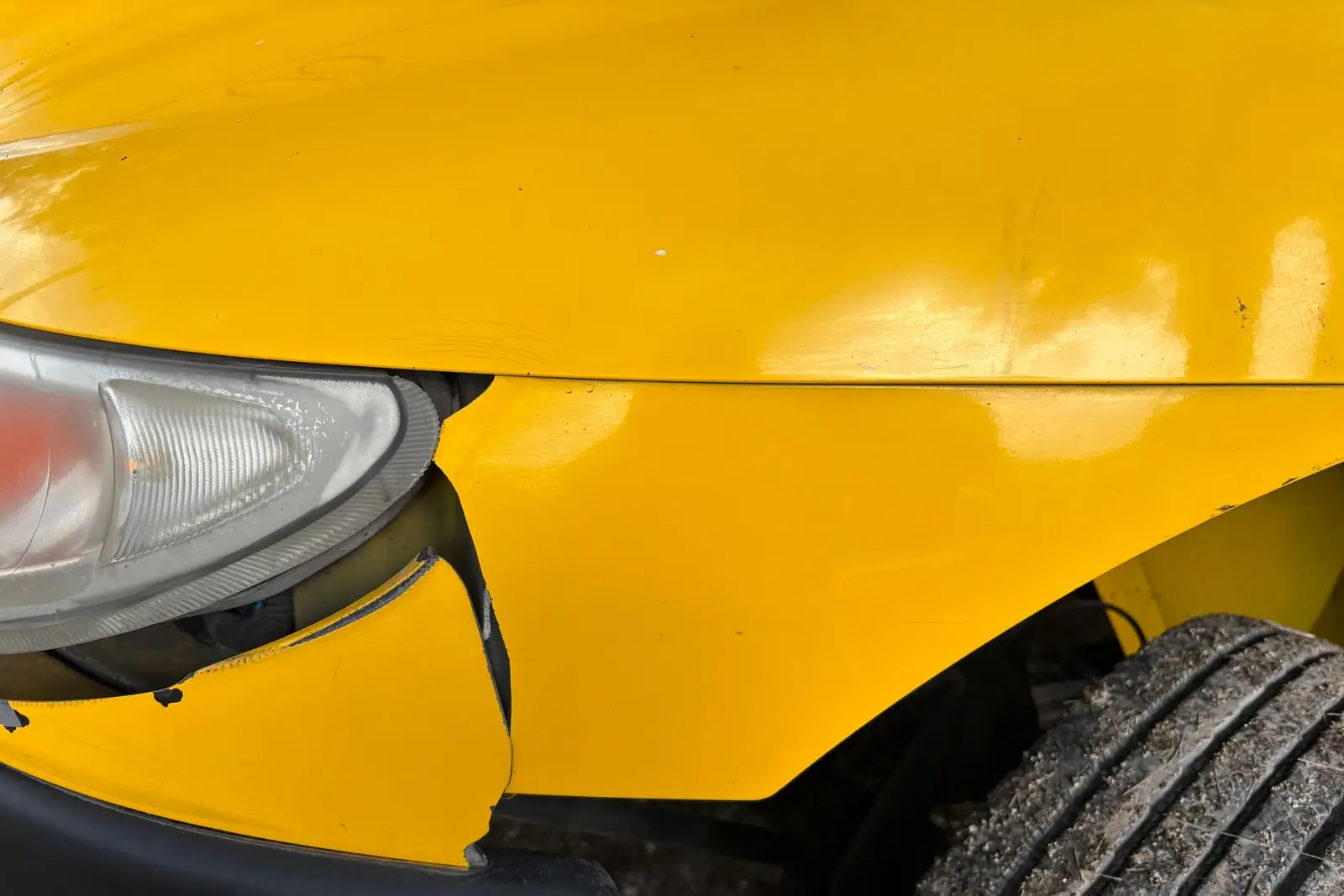
Collision is not only for total losses. A covered repair costing an assumed $1,800 would leave $1,300 paid by the insurer with a $500 deductible, before other adjustments. The same damage with a $1,000 deductible would leave $800 paid. Damage below the deductible can produce no payment.
This is why the deductible deserves its own comparison. Increasing it can reduce the premium while retaining some protection against a large loss. The higher-deductible guide calculates the extra exposure and compares it with quoted annual savings.
Do not count a breakdown as a collision claim. Worn brakes, a failing transmission and ordinary age-related repairs are different expenses. A vehicle with expensive mechanical problems can still carry collision insurance, but that coverage does not fund the maintenance decision described in repairing or replacing a car.
Lender requirements and other coverages remain separate
A financed older car can still be subject to the lender’s physical-damage insurance requirements. Check the loan or lease agreement before dropping collision or choosing a deductible that exceeds its limit. Age and mileage do not erase an outstanding agreement.
Liability coverage pays covered damage or injury for which the insured is legally responsible to others; it does not replace collision protection for the insured vehicle. Dropping collision therefore does not remove the need for required liability insurance. It also does not mean comprehensive protection for theft, weather and other covered non-collision events has been canceled automatically.
Evaluate comprehensive separately using its premium, deductible and covered risks. The two charges need not offer the same value. Also ask the insurer about any state-specific uninsured-driver property coverage or deductible exception instead of assuming another driver will always pay quickly after a crash.
If another driver’s insurer is responsible, payment can depend on the investigation and coverage available. Keeping collision can provide a route under the owner’s own policy for a covered loss, subject to its deductible and terms. That practical claims difference belongs beside the price comparison.
Replacement cash determines the consequence of dropping it
Write down what happens if the car is lost next week. The answer includes replacement transportation, the cash needed to obtain it and any loan balance remaining. A low market value does not make that disruption harmless.
For the assumed $3,000 car, having $500 available for the deductible is different from having enough cash to replace the vehicle without a settlement. A plan to save the premium gradually may eventually build a reserve, but the uninsured loss could arrive before that reserve exists.
Use the collision-only quote and value after the deductible. Then check whether the vehicle can be replaced without that payment and whether the lender allows the change. No age threshold answers those questions by itself.
The ownership budget separates premiums, repair reserves and replacement planning. Review the collision decision as the car’s value and finances change, rather than leaving an old choice untouched or dropping it automatically at a birthday. Ask the insurer to explain the policy’s valuation and coverage rules for the vehicle before changing protection.
Questions people ask
Should collision be dropped when a car turns ten?
There is no universal age cutoff. Compare current value after the deductible, the collision-only premium, replacement cash and lender requirements. A low-value car can still be essential transportation.
What could collision pay on a $3,000 car?
With an assumed $500 deductible, value minus deductible is about $2,500 before settlement adjustments. A partial loss can pay less. The insurer's valuation and state rules determine the claim, not the car's original purchase price.
Does liability cover damage to the owner's car?
It does not substitute for collision coverage on the insured vehicle. Liability addresses covered harm to others. Comprehensive and any uninsured-driver property protection are separate coverages with their own rules.
Can collision be removed while the car has a loan?
The lender or lease agreement can require it even on an older car. Check those requirements and the permitted deductible before making a change.
Where these figures come from
- 2022/2023 Auto Insurance Database — Table 2C National Association of Insurance Commissioners · content.naic.org
- Collision coverage, deductibles and vehicle value Progressive · progressive.com
- Automobile insurance and physical-damage valuation California Department of Insurance · insurance.ca.gov
Figures last checked October 2026.