On this page
A car crossing 150,000 miles used to be a milestone with a note of farewell about it. It no longer is. The average light vehicle in operation in the United States reached 12.8 years in 2025, with passenger cars averaging 14.5 years, and those averages have risen almost every year for two decades. The ordinary car on the road beside you has a long history behind it.
That does not mean every high-mileage car is worth keeping. It means the odometer is the wrong thing to look at. Here is what to look at instead.
Key figures
- 12.8 years Average age of US light vehicles
- 14.5 years Average age of US passenger cars
- $1,600 Example: repair paid from the reserve
Three conditions that end a car, and one that does not
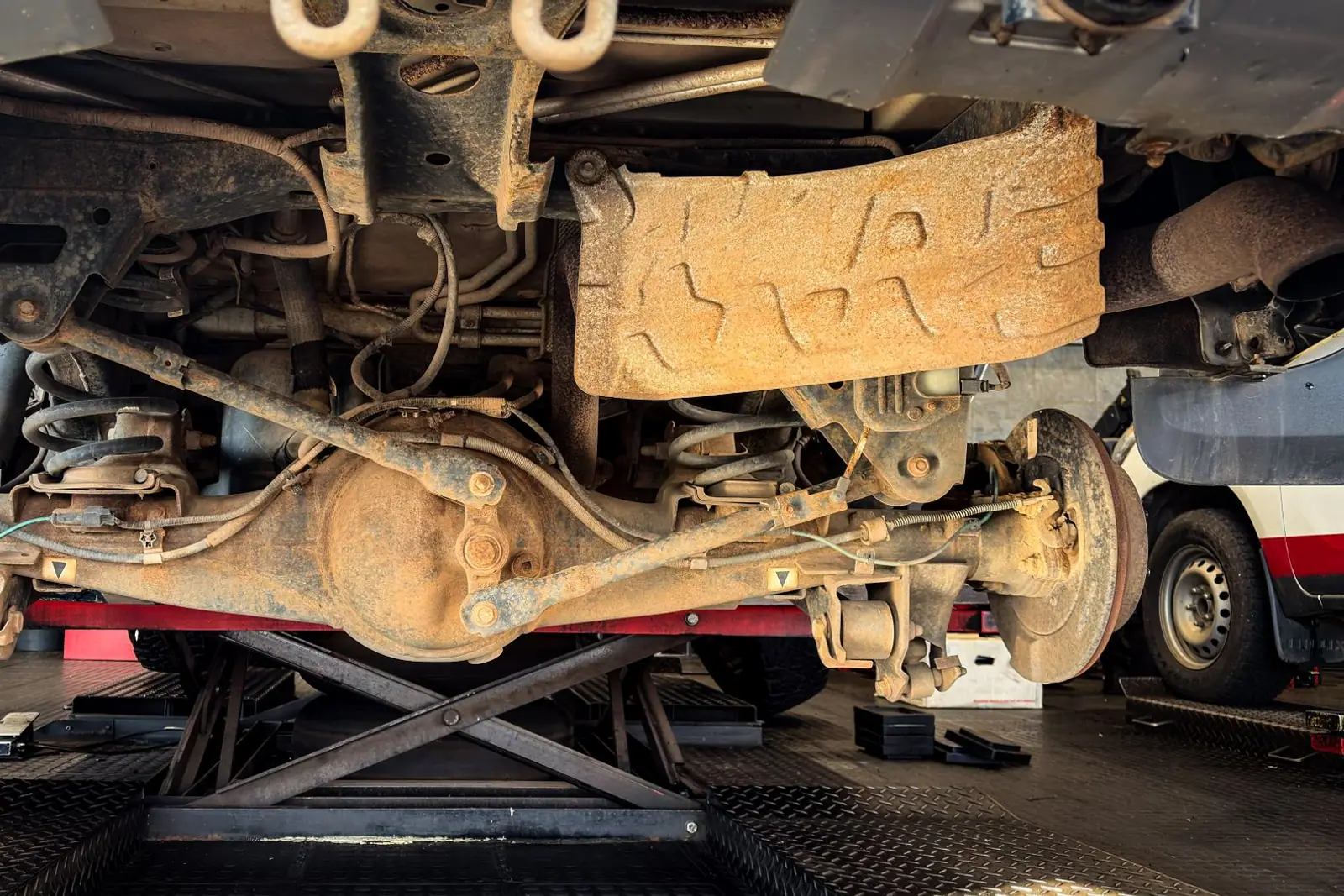
Structure. Rust in the frame, subframe, suspension mounting points or rocker panels is the real ending. It cannot be repaired to original condition at a sensible price, and it is a safety matter rather than a cosmetic one. In states that salt roads, this is what finishes cars, not engines.
Repeated, unrelated failures. One large bill is a repair. Three unrelated failures in a year is a pattern, and it means the whole car has reached the age where everything rubber, plastic or electrical is at the end of its service life.
Safety systems you cannot restore. Airbag modules, ABS units and structural damage from a collision.
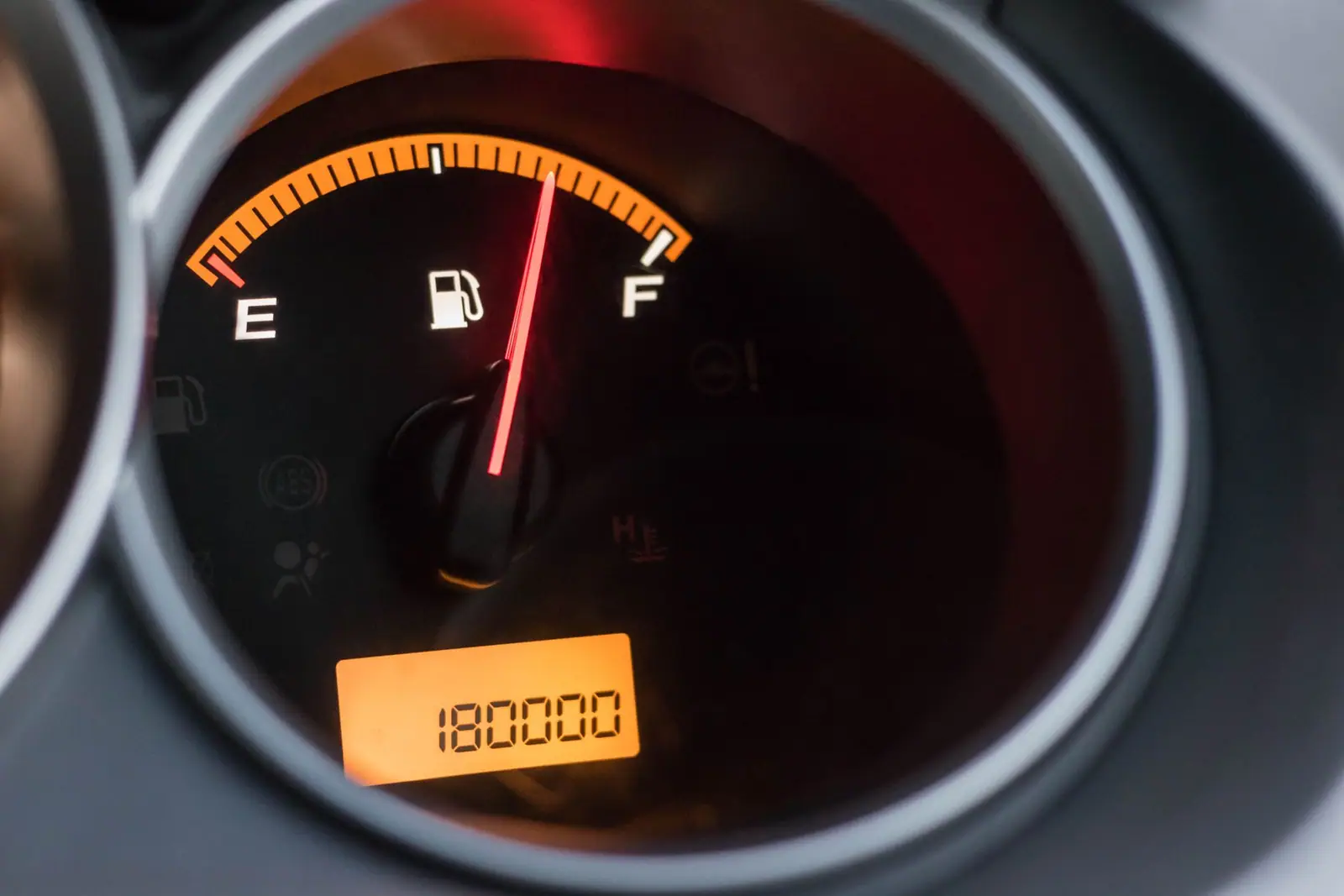
And the one that does not: a high odometer reading by itself. An engine with 180,000 miles of documented oil changes is in better condition than one with 90,000 miles and no history at all.
Run a sinking fund instead of hoping
The reason long ownership goes wrong is rarely the total cost. It is the timing: a $1,600 bill arriving in a month when there is no $1,600. The fix is dull and effective.
Work out what a replacement would cost per month, all in, and put a meaningful share of it into an account every month. Whatever the repairs come to, they are competing against a payment you are not making and against depreciation you are no longer paying on a newer car. What the fund buys is the ability to say yes to a repair without it becoming a crisis.
The second half of the same discipline: when the shop tells you what is coming next, write it down with an estimate and a rough date. Long ownership works when the bills are expected.
The services where deferral costs the most
Not all deferred maintenance is equal. These are the ones where waiting turns a moderate bill into a large one.
- Timing belt, where the engine has one. On an interference engine a snapped belt destroys valves and pistons. The interval is in the manual, in miles and in years, and the years matter even on a low-mileage car.
- Coolant. Old coolant loses its corrosion inhibitors and starts eating the radiator, the water pump and the heater core.
- Brake fluid. It absorbs moisture over time, which lowers its boiling point and corrodes the components it sits in. It is a cheap service and a nasty failure.
- Transmission fluid, following the manufacturer’s schedule. Follow the manual for your car rather than a shop’s own schedule.
- Any leak that reaches the timing case or the oil level. An engine that runs low on oil between changes is on a clock.
The things that are safe to stretch
Long ownership also means knowing what to skip, because a shop that services older cars will offer a long list.
- Fuel injection and induction cleaning services on a car with no drivability symptoms
- Engine flushes
- Additives of every kind
- Wheel alignments in the absence of uneven tyre wear or a pull
- Premium fuel in an engine that does not require it
Age brings one advantage that new cars do not have: an old model has a mature parts supply. Aftermarket parts, remanufactured components and used parts from breakers all cost less than the dealer part, and an independent shop will usually price the options if you ask. That is a large part of why running costs do not rise as fast as people expect.
Check the recalls, even on an old car
A safety recall does not expire when the warranty does. Federal law requires the manufacturer to provide the remedy without charge, and the outside limit is 15 calendar years from the date the first owner bought the vehicle, with 5 years for tyres. Recall completion is far from universal, so an older car bought used may well have open work that nobody has done.
You need the VIN, which is on the dashboard at the base of the windscreen and on the driver’s door jamb. A dealer’s service department will check it for you against the manufacturer’s records.
What “worth keeping” actually means
Run the same two lists as any other repair decision: what the next two years cost on this car, and what they cost on a replacement including its depreciation, insurance and taxes. Long ownership usually wins because the largest cost of the replacement, the value it loses, is the one nobody puts in the comparison.
Keep going while the structure is sound, the failures are occasional and you have a fund to meet them. Stop when the rust reaches the structure, when the failures arrive together, or when you have stopped trusting the car on the journeys you actually need it for.
The maintenance budget helps plan services as mileage accumulates. When several repairs coincide, the repair-or-replacement comparison puts those estimates beside the cost of changing vehicles. Evaluate a roadside assistance plan separately from paying for the repair itself.
Questions people ask
Is 150,000 miles a lot for a car?
Not any more. The average light vehicle in the US is 12.8 years old and passenger cars average 14.5 years, so many cars on the road are well past that figure. Condition and maintenance history matter far more than the odometer reading.
What kills a high-mileage car first?
Usually corrosion in the structure, especially in states that salt roads, followed by clusters of unrelated failures as rubber, plastic and electrical components reach the end of their life together. Engines rarely end a well-maintained car on their own.
Should I keep saving for a car payment I do not have?
It is the practical way to run an older car. Paying a replacement's monthly cost into a repair fund means a large bill is an inconvenience rather than an emergency, and whatever is left over is money the replacement would have consumed.
Can an old car still have free recall work?
Yes. Manufacturers must provide the recall remedy at no charge, and federal law runs that obligation to 15 calendar years from the first sale for vehicles and 5 years for tyres. Ask a dealer to check your VIN.
Where these figures come from
- US Vehicle Age Rises Again to 12.8 Years in 2025 S&P Global Mobility · press.spglobal.com
- 49 U.S.C. 30120, Remedies for defects and noncompliance Legal Information Institute, Cornell Law School · law.cornell.edu
- Auto Repair Basics Federal Trade Commission · consumer.ftc.gov
- Check Your Number: oil change intervals CalRecycle, California Department of Resources Recycling and Recovery · calrecycle.ca.gov
Figures last checked September 2026.