On this page
Brakes are the repair people accept without question, because arguing about brakes feels like arguing about a parachute. That is exactly why brake quotes vary so much between shops for the same car: nobody pushes back.
You do not need to push back. You need to know what the four lines on the quote are and which of them your car actually needs today.
The four lines
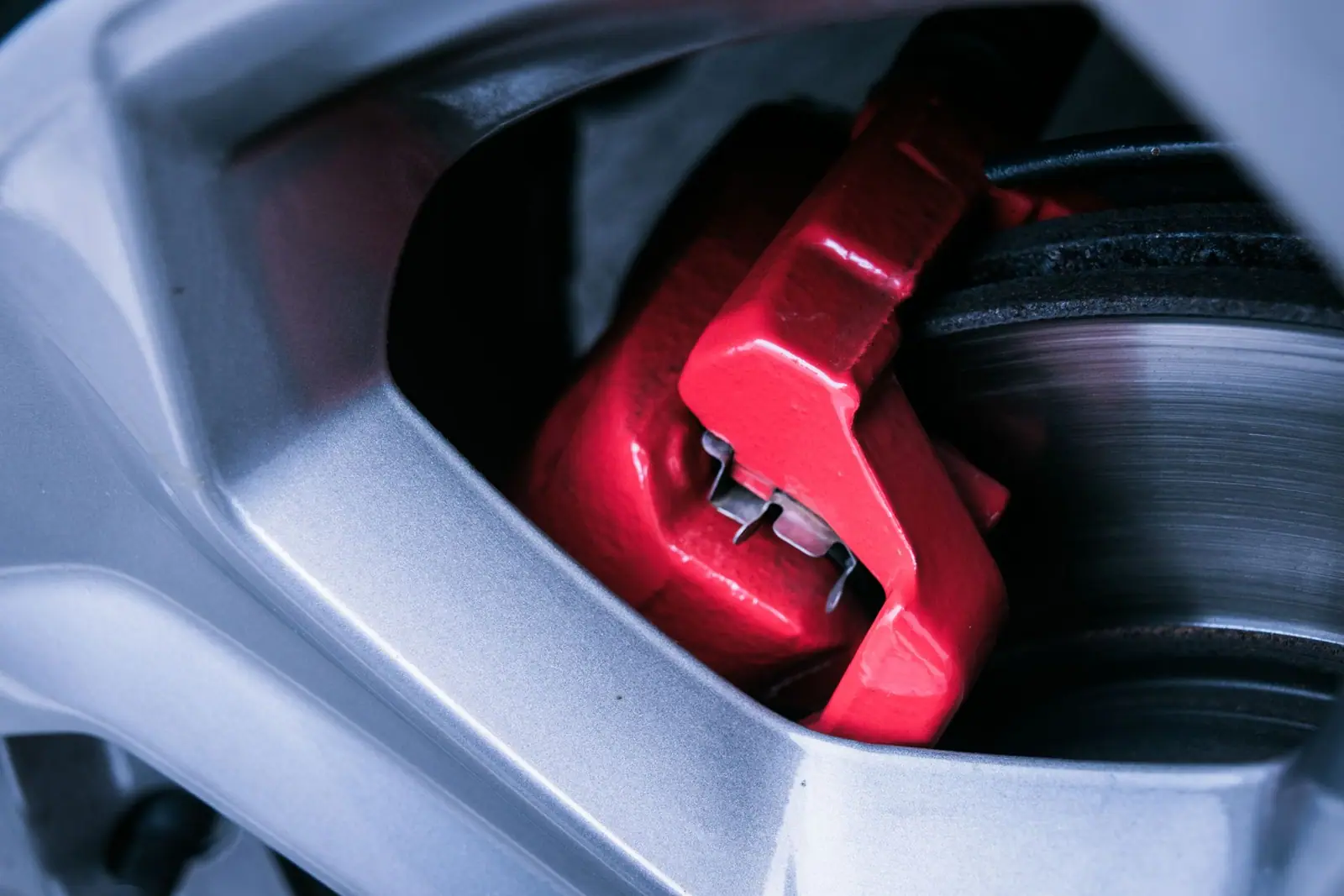
Pads. The consumable. They wear away by design and their replacement is routine. The pad material changes noise, dust and feel more than stopping distance on a normal road car.
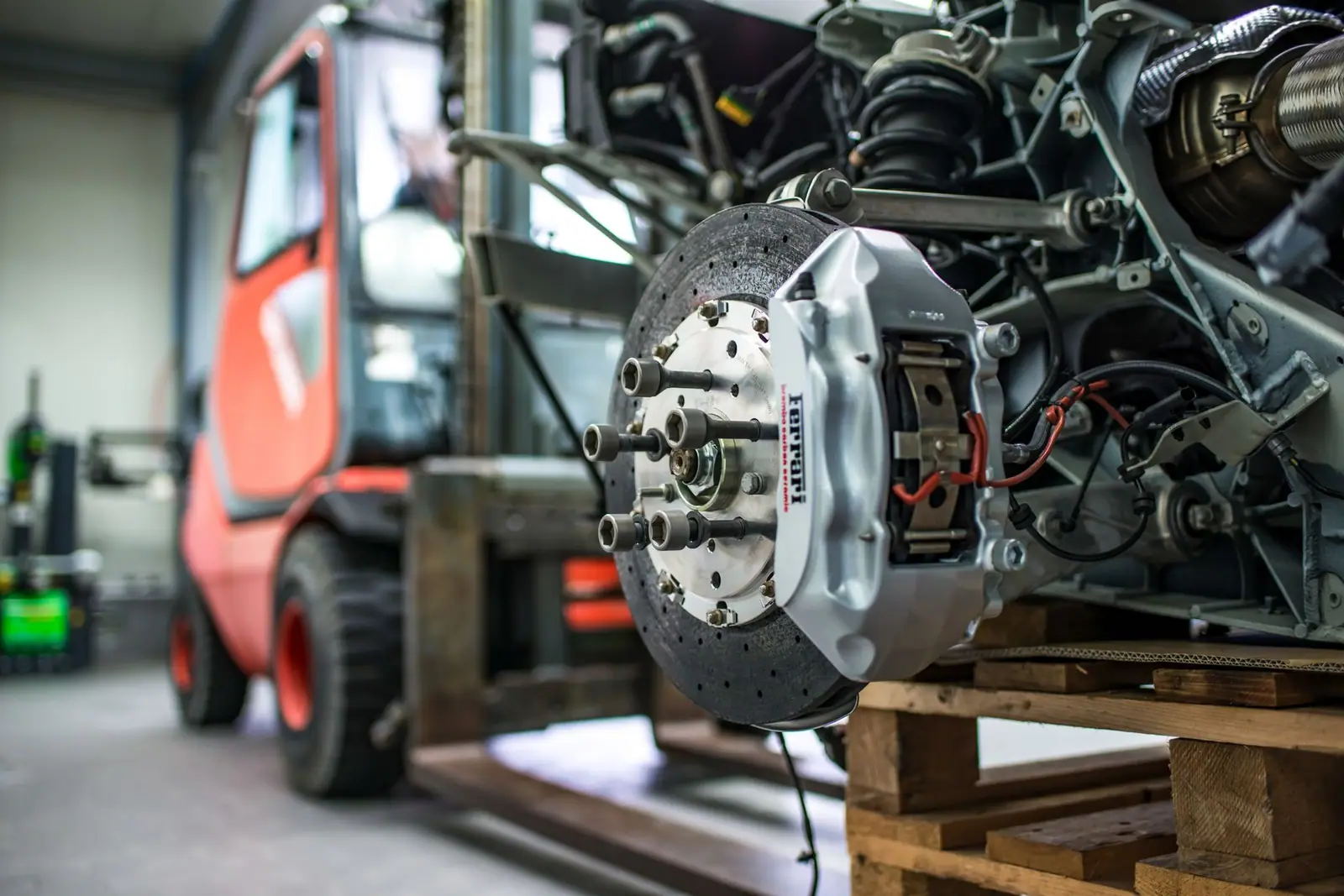
Rotors, the discs the pads clamp. These have a minimum thickness stamped or cast into them by the manufacturer. A shop measures the thickness and checks for runout, scoring, cracking and heat damage. If they are above the minimum and in good condition, they can be reused or resurfaced. Many shops replace them as a matter of policy because it is fast and eliminates comeback complaints; that policy is theirs, not your car’s.
Hardware. Clips, shims, slide pins and the grease that keeps a caliper moving freely. Cheap, and skipping it causes the uneven pad wear people blame on the pads.
Fluid. A flush or bleed, priced separately.
Ask which of those four the car needs and what the measurements were. A shop that has taken the wheel off can tell you the pad thickness in millimetres and the rotor thickness against the minimum.
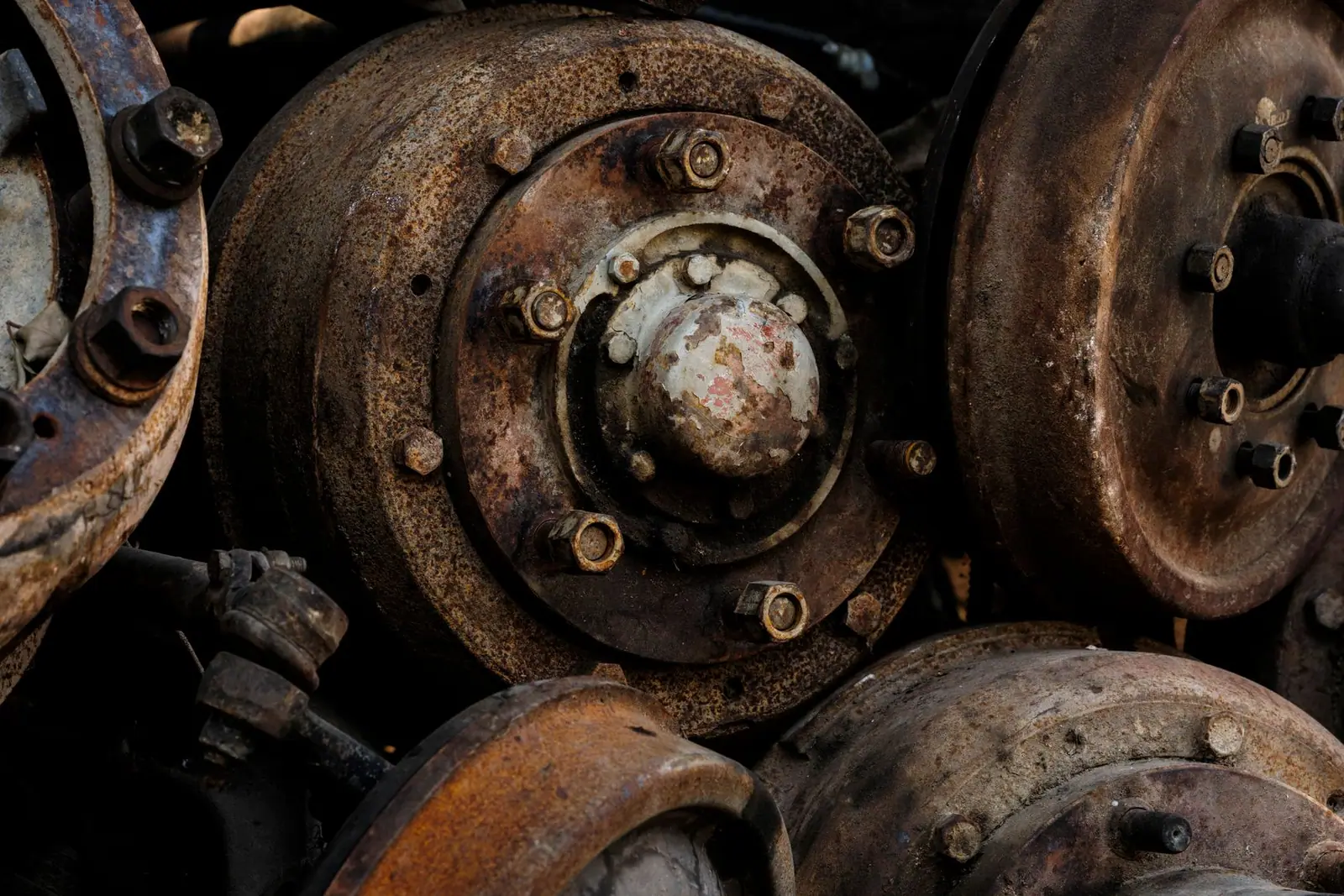
What the noises mean
- A high squeal that comes and goes, worse when cold or damp. Often the wear indicator, a small metal tab designed to touch the rotor as the pad thins. Sometimes it is just dust and glazing. Get it inspected, not panicked over.
- A grinding, grating noise with a vibration in the pedal. Metal on metal. The pad is gone and the backing plate is cutting the rotor. This is now a rotor job as well as a pad job, and delaying further can damage the caliper.
- A pulse through the pedal when braking from speed. Rotor thickness variation or runout, sometimes called warping. It usually means machining or replacing the rotors.
- A soft or sinking pedal. Stop driving it. That is hydraulic: air, a leak or a failing master cylinder.
- The car pulling to one side under braking. Commonly a sticking caliper or a collapsed flexible hose.
Fluid is the service nobody sells you
Brake fluid is hygroscopic: it takes up moisture from the air over the years, through seals and the reservoir vent. The federal standard shows what that costs in plain numbers. DOT 3 fluid must have a boiling point of at least 401 degrees Fahrenheit when new, and a “wet” boiling point, measured after controlled humidification, of at least 284 degrees.
DOT 4 must boil above 446 degrees when new.
- DOT 3, new fluid401 degrees Fahrenheit
- DOT 3, wet fluid284 degrees
- DOT 4, new fluid446 degrees
Federal brake-fluid standard, as cited in this article. Dry and wet conditions differ; values are degrees Fahrenheit.
A drop of more than a hundred degrees is the difference between firm brakes at the bottom of a long descent and a pedal that goes soft. Water in the system also corrodes the components it sits in, which is how ABS units and calipers die.
Most manufacturers give an interval for brake fluid in years rather than miles. Look it up in your manual: it is one of the few services where the calendar matters more than the odometer, and one of the cheapest.
Ask for the old parts back where your state allows it. A worn pad is unmistakable: you can see how much friction material is left. It is the simplest way to confirm the work you paid for was the work the car needed.
Getting a quote you can compare
- Ask for the estimate in writing, with parts and labour separated, before work starts. The FTC’s guidance is that an estimate should identify the condition to be repaired, the parts needed and the anticipated labour charge.
- Ask for the measurements: pad thickness remaining, rotor thickness against minimum.
- Ask which axle. Front and rear wear at different rates. A quote for all four corners on a car that needs fronts is twice the job.
- Ask what the parts are. Original equipment, a recognised aftermarket brand, or the cheapest available changes both price and life.
- Ask whether fluid is included, and when it was last done.
What is worth paying for and what is not
Worth it: correct hardware and lubricant, properly torqued wheels, fluid on the manufacturer’s schedule, and quality pads matched to how you drive.
Not worth it: performance pads on a car that never sees a track, drilled or slotted rotors for ordinary driving, and rotor replacement on rotors that measure within specification and show no damage.
A brake-fluid service quote covers a different maintenance item from replacing pads or rotors. Keep both within the maintenance budget without counting overlapping shop charges twice.
Questions people ask
Do rotors have to be replaced with the pads?
Not automatically. Rotors have a minimum thickness specified by the manufacturer, and if they measure above it and are free of scoring, cracks and excessive runout, they can be reused or machined. Ask for the measurement rather than accepting a blanket policy.
How often should brake fluid be changed?
Follow the interval in your owner's manual, which is usually given in years rather than miles. Fluid absorbs moisture over time, and federal standards show the effect: DOT 3 must boil above 401 degrees Fahrenheit when new but only 284 degrees when wet.
Why do my brakes squeal when they are not worn out?
Squeal can come from the wear indicator tab, but also from glazing, dust, cheap pad material or missing hardware and lubricant on the caliper slides. A grinding noise is different: that is metal on metal and needs immediate attention.
Is it safe to do the front brakes and leave the rear?
Yes, if that is what the measurements show. Front and rear brakes wear at different rates, and fronts usually do most of the work. The axles should be done as pairs, left and right together, but not necessarily front and rear at the same visit.
Where these figures come from
- 49 CFR 571.116, Standard No. 116, Motor vehicle brake fluids Electronic Code of Federal Regulations · ecfr.gov
- Auto Repair Basics Federal Trade Commission · consumer.ftc.gov
Figures last checked September 2026.