On this page
There is a category of car service that exists mainly because it is easy to sell: it sounds preventive, it is hard to disprove, and the car drives the same afterwards either way. None of it appears in the manufacturer’s schedule.
The Federal Trade Commission’s own consumer guidance puts the mechanism plainly: some shops create their own maintenance schedules and may recommend service beyond the recommended one. That is not a claim about dishonesty. It is a description of an incentive.
The reference is the manual, not the counter
Every car comes with a maintenance schedule written by the manufacturer, usually in two versions: normal and severe service. It lists what to do and when, in miles and in months. If your glovebox copy is gone, the manufacturer publishes it online, and the dealer’s service department will print it.
When a service is recommended, the question is simple: is it on that schedule, and if not, what measurement or symptom prompted it? Both answers are reasonable. “It is due at your mileage” and “the fluid is dark and we measured the condition” are fine. “We recommend it at this mileage” without either is the pattern to watch for.

The usual list
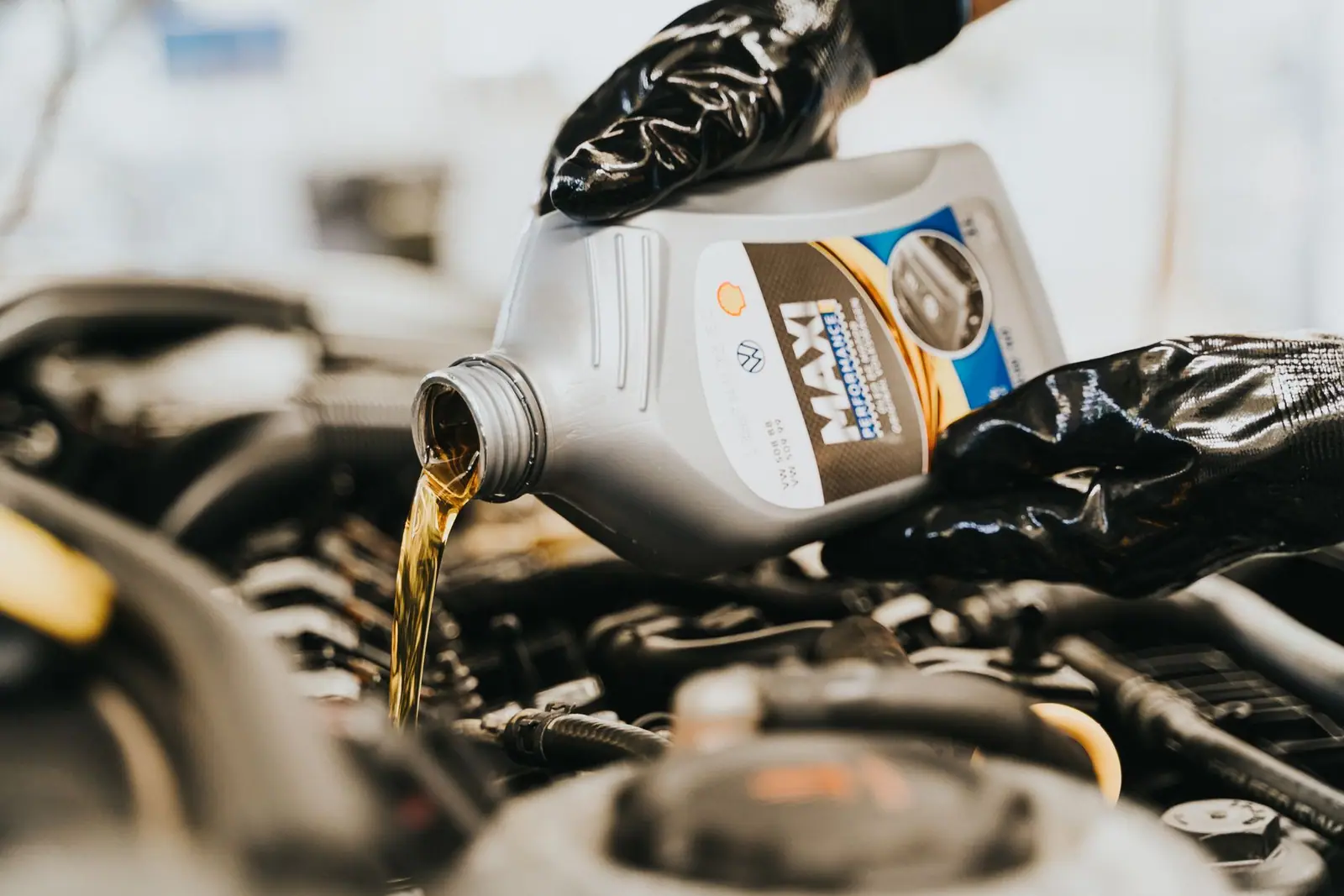
- Engine flush. Not in the schedules of mainstream manufacturers. On a high-mileage engine there is a real argument that it can dislodge deposits that were doing no harm where they were.
- Fuel injection or induction cleaning on a car with no drivability symptom. The fuel already contains detergent additives. If the car misfires, hesitates or fails an emissions test, that is a diagnosis, not a routine service.
- Transmission flush outside the schedule. Some manufacturers specify fluid changes at long intervals; some specify none for normal use. A flush on the wrong car, or with the wrong fluid, is an expensive mistake.
- Coolant “conditioners” and additives. The specification is the coolant type in the manual, not a bottle added to it.
- Premium fuel in an engine that does not require it. If the manual says regular, premium buys nothing.
- Wheel alignment with no symptom. Alignment is justified by uneven tyre wear, a pull, an off-centre steering wheel, new tyres, or suspension work.
- Air filter replacement sold as a fuel saving. The EPA and DOE are explicit: on modern fuel-injected engines, replacing a clogged air filter improves acceleration but not fuel economy. Change it when it is dirty, but not for the mpg.
- Battery and charging system “protection” packages. The test is free at most parts shops.
None of these is a fraud. Each is a real service that is occasionally justified. The problem is selling them on a calendar nobody engineered.
The genuinely expensive mistakes go the other way. Timing belts, brake fluid, coolant and transmission service where the manufacturer specifies it are the items where deferring turns a moderate bill into an engine or a gearbox. Saying no to an induction cleaning and yes to the timing belt is the whole discipline.
Four questions that settle almost every recommendation
- Is it in the manufacturer’s schedule for my mileage? If yes, agree to it.
- What did you measure or see? A thickness, a fluid condition, a leak, a code. A specific answer is a good sign.
- What happens if I wait until the next service? The honest answer is often “nothing”.
- Can I have the old part back? Where state law allows, this costs nothing to ask.
What to do with the multi-point inspection sheet
The colour-coded sheet is a useful document if you read it as a forecast rather than an invoice. Green items are fine. Yellow items are things to plan for and price. Red items need a specific explanation of why they are red.
Take the sheet home. Almost nothing on it is an emergency, and a recommendation that cannot survive a day of thought was not a recommendation.
The things genuinely worth doing on time
- Oil and filter at the manufacturer’s interval, with the specified grade
- Timing belt at the interval, in miles or years, whichever comes first
- Brake fluid on the calendar
- Coolant at the specified interval and type
- Transmission fluid where the manufacturer specifies it
- Tyre rotation, and pressures checked monthly
- Anything the car is actually telling you about: a light, a noise, a leak, a pull
That list is shorter and cheaper than the one on the counter, and it is the one that keeps cars on the road to 200,000 miles.
The oil-change interval guide explains one frequently oversold service. For another schedule-dependent item, the transmission-fluid quote guide separates the prescribed method from optional shop packages.
Questions people ask
Do I need an engine flush?
It is not in the maintenance schedule of mainstream manufacturers. Follow the oil change interval in your manual instead. On a high-mileage engine a flush can dislodge deposits that were causing no harm, which is why it is a service to approach with caution.
Is fuel injection cleaning service worth it?
Not as routine maintenance on a car with no symptoms, since pump fuel already contains detergent additives. If the engine hesitates, misfires or fails an emissions test, that calls for a diagnosis, which may or may not point at the injectors.
Does a new air filter improve gas mileage?
Not on a modern fuel-injected engine. The EPA and DOE state that replacing a clogged air filter improves acceleration but not fuel economy on those engines. Older carbureted engines are the exception. Replace the filter when it is dirty, but not to save fuel.
How do I know if a shop is upselling me?
Ask whether the service is in the manufacturer's schedule for your mileage, and what was measured or observed. The FTC notes that shops with their own maintenance schedules may recommend work beyond the manufacturer's. A specific measurement is the difference between a finding and a policy.
Where these figures come from
- Auto Repair Basics Federal Trade Commission · consumer.ftc.gov
- Keeping Your Vehicle in Shape US Department of Energy and EPA, fueleconomy.gov · fueleconomy.gov
- Check Your Number, Because 3,000 Miles May Be Too Early to Change Your Oil CalRecycle, California Department of Resources Recycling and Recovery · calrecycle.ca.gov
Figures last checked September 2026.